Teaching
Introduction to psychology (PSYC101)

This course features an introduction to empirical psychology, organized topically. Key areas, approaches, and theories in psychology are illustrated. Weekly laboratory sessions focus on the process of scientific inquiry, giving students experience with a variety of research approaches and methodological issues.
Introduction to neuroscience (NEUR101)

This course introduces the structure and function of the central and peripheral nervous systems. Fundamental concepts and topics in neuroscience will be discussed using molecular/cellular, behavioral and/or cognitive frameworks. Clinically relevant conditions (e.g., neurodegenerative diseases, psychiatric disorders) are also explored. Methods and techniques used by neuroscientists in research laboratories and clinical settings are used to understand how neuroscience knowledge is constructed.
Research methods and data analysis (PSYC251)
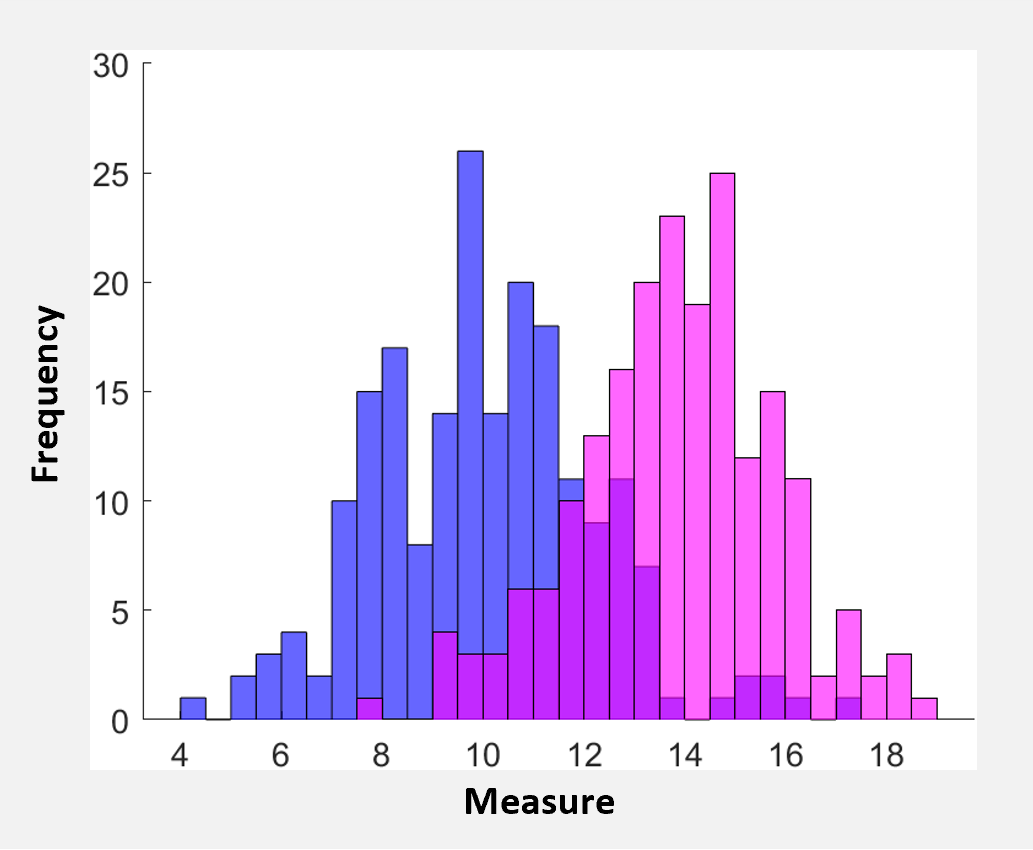
An introduction to basic research approaches in psychology, including observational studies, correlational studies, true experiments, and quasi-experiments. Ethics, sampling, measurement, and data analysis are considered. Intended for psychology majors or for students planning to major in psychology. Weekly laboratory sessions focus on the process of scientific inquiry, giving students experience in the application of class principles.
Behavioral and cognitive neuroscience (NEUR220)

This course explores the neural mechanisms underlying behavior and cognition. Topics may include motivation, learning and memory, emotion, stress, sleep and circadian rhythms, attention, and decision-making. Neuroscience methodology and preclinical models of psychiatric and neurodegenerative disorders are discussed.
Advance cognitive neuroscience (Lab) (NEUR355)
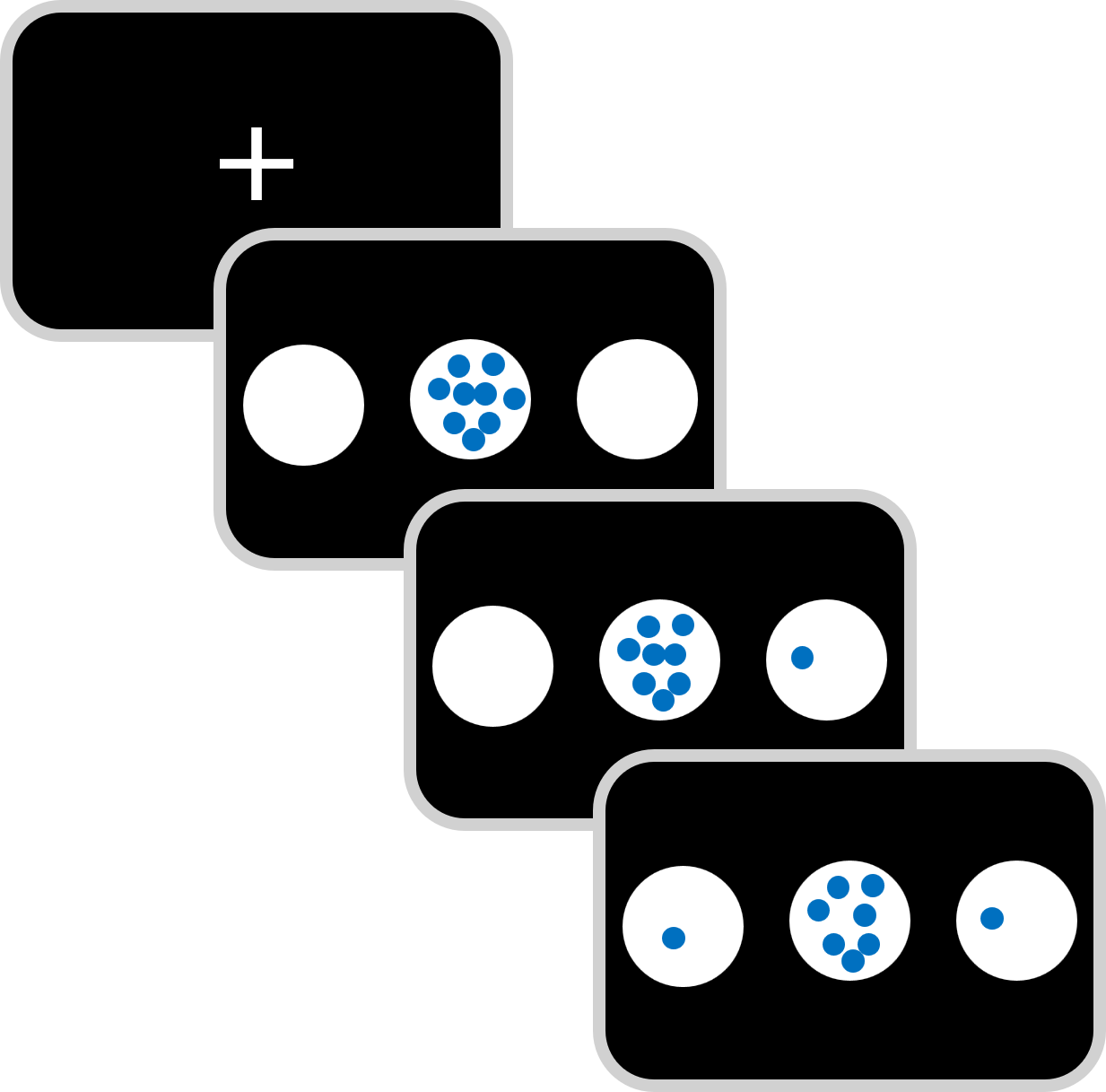
This laboratory course provides an experimental approach to the study of cognitive processing, building on topics introduced in introductory courses. Laboratory exercises may cover processes such as perception, attention, memory, learning and decision making. The course includes a focus on scientific methodology, including hypothesis testing, study design, data collection and analysis, and communication of results.
Neuroscience of preference and choice (NEUR416)

This seminar course examines topics related to the neuroeconomics of choice. Topics may include cognitive effort, temporal discounting, overconfidence, risk sensitivity, anchoring, and prospect theory. A significant portion of the course consists of student-led discussion of readings examining these topics. Readings focus on scholarly works featuring psychological and neurobiological perspectives.